E-Mail: commercial@golden-cereal.com Tel: +86-187-6172-1218
- All
- Product Name
- Product Keyword
- Product Model
- Product Summary
- Product Description
- Multi Field Search


Views: 0 Author: Site Editor Publish Time: 2026-09-10 Origin: Site


Moving massive volumes of agricultural commodities requires much more than just raw mechanical power. It demands absolute precision to protect delicate kernel integrity and prevent cascading facility bottlenecks. Relying on the wrong transport mechanism causes serious headaches for modern facility operators. You might face excessive grain degradation, dangerous combustible dust accumulation, or highly disruptive unplanned downtime during peak harvest windows. These structural issues quickly erode your operational margins and compromise baseline product quality. Understanding exactly how a grain conveyor works at a mechanical level is your crucial first step. We will explore how various propulsion methods directly impact your facility's daily operations. You will learn how to evaluate and select the specific system that maximizes throughput for your unique site geometry. Making an informed choice ensures long-term operational success.
A grain conveyor operates by utilizing continuous mechanical force—via belts, chains, cables, or air pressure—to transport bulk materials from intake to discharge while mitigating friction.
The mechanical differences between drag, belt, pneumatic, and tube conveyors directly dictate capacity limits, energy efficiency, and total cost of ownership.
Selecting the right system requires balancing initial CapEx with operational success criteria: minimizing grain shrinkage, fitting layout constraints, and meeting combustible dust compliance.
Evaluating a new system must factor in integration with existing grain elevators and long-term maintenance accessibility.
Every bulk material transport system follows a fundamental sequence. It moves product from a starting intake point to a final discharge destination safely. The mechanical forces behind this process dictate how efficiently your facility operates under heavy loads. We can break this fundamental process down into four primary phases.
The journey begins the moment material enters the system. Grain typically flows through intake hoppers, dump pits, or direct bin feeds. Controlling this initial flow is critical. If you dump product too quickly, you risk choking the system. Operators use specialized metering gates and rotary valves to manage volumetric flow. This controlled feeding prevents motor overload and ensures steady, predictable movement. Proper metering establishes the baseline rhythm for your entire operation.
Once inside, physics takes over. The propulsion mechanism provides the necessary force to move heavy commodities against gravity and friction. Older technologies relied heavily on brute force and friction. For example, traditional auger flighting physically pushes and scrapes material along a metal housing. Modern engineering shifts toward friction-mitigating methods. Enclosed tubular cables glide materials gently, while troughed belts float product smoothly over rollers. Reducing friction directly lowers energy consumption and protects fragile kernels from unnecessary stress.
Ejecting the material safely is just as important as moving it. A poorly designed discharge phase causes severe impact damage. Kernels slamming against hard steel walls will crack and split. Well-engineered systems utilize specialized transitions, cushion boxes, or gentle letdown ladders. These components decelerate the grain before it lands in silos, holding bins, or waiting transport vehicles. Smooth discharge mechanics preserve commodity grade and prevent unwanted dust generation.
None of this movement happens without reliable power transmission. The drive system acts as the beating heart of the equipment. We rely on industrial motors, gear reducers, and variable frequency drives (VFDs) to provide consistent torque. VFDs are particularly valuable. They allow operators to adjust belt or chain speed dynamically. You can adapt the operational pace to match material weight, humidity levels, and daily facility demands. This adaptability prevents excessive wear during lighter runs.
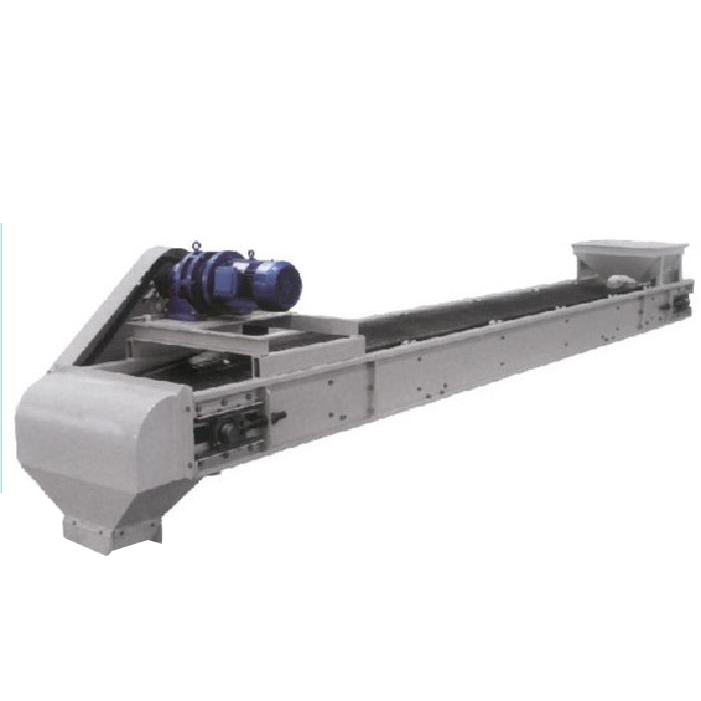
Different operational challenges require different mechanical solutions. Equipment manufacturers have developed distinct methods for handling agricultural commodities. Here is a breakdown of the five primary technologies used in modern facilities.
Belt Conveyors: These systems support grain on a continuous, troughed rubber belt. The belt glides smoothly over a series of idler rollers. Belt systems excel at moving massive capacities over long horizontal distances. They are incredibly gentle because the product remains stationary on the belt surface during transit.
Drag / Chain Conveyors: This technology pulls solid paddles, known as flights, attached to a heavy-duty continuous chain. The chain drags the material through an enclosed steel trough. Drag systems provide rugged, high-volume transfer. They handle steep incline requirements exceptionally well, making them ideal for tight facility footprints.
Tubular Cable Conveyors: These systems drag perfectly spaced circular discs through a sealed, smooth tube. A tensioned stainless-steel cable connects the discs. They offer ultra-gentle handling for highly fragile materials. The sealed tube allows for complex, three-dimensional routing and maintains a completely dust-free environment.
Pneumatic Conveyors: Instead of mechanical parts, these systems suspend grain in a high-velocity airstream. Blowers push or pull the material through a pipeline network. They offer unparalleled flexibility for complex layouts. The airstream provides excellent self-cleaning capabilities, though they do require significantly higher energy consumption than mechanical alternatives.
Auger / Screw Conveyors: These machines rotate a heavy helical screw inside a stationary metal tube. As the screw turns, it continuously pushes the material forward. They are highly cost-effective and compact for short distances. However, the aggressive scraping action carries the highest risk of kernel damage and internal mechanical wear.
Understanding mechanical principles is only half the battle. You must evaluate how these mechanics impact your daily profitability. Choosing a system based solely on initial purchase price often leads to operational regrets. We must examine four crucial evaluation criteria.
Capacity requirements usually dictate equipment selection. Operators measure capacity in tons-per-hour (TPH). However, you must weigh this metric against horsepower requirements. Belt and drag systems move immense volumes with relatively low horsepower. Pneumatic systems consume substantially more electricity to achieve the same TPH because compressing air requires massive energy. You must align your local energy costs with the mechanical efficiency of the propulsion method to maintain healthy margins.
Broken kernels hurt your bottom line. Agricultural buyers impose strict dockage fees for damaged product. Facilities handling premium seed varieties or delicate food-grade commodities must prioritize mechanical gentleness over raw speed. A high-speed auger might move product quickly, but it will crack delicate kernels. Tube and belt systems eliminate this harsh grinding action. Investing in gentle handling mechanics prevents shrinkage and maximizes the final sale value of your harvest.
Agricultural dust presents a severe explosion hazard. Regulatory bodies like OSHA strictly monitor airborne particulate levels. Open systems require constant housekeeping and costly dust collection infrastructure. Conversely, enclosed mechanics naturally suppress combustible dust. Drag systems and sealed tube architectures keep particulate trapped inside the housing. This mechanical containment supports safety compliance automatically and drastically reduces the labor hours you spend sweeping facility floors.
Your physical site geometry restricts your mechanical options. You cannot force a system to operate beyond its physical limits. For example, traditional belt conveyors require long, sweeping horizontal runs to achieve elevation. They typically max out at a 15-degree incline. If you need vertical elevation in a tight space, you must utilize bucket elevators or heavy-duty drag chains. Understanding these incline limitations prevents costly engineering redesigns during installation.
Installing heavy industrial equipment introduces complex integration challenges. Mechanical components endure immense friction and stress daily. You must prepare for inevitable wear and structural maintenance requirements.
Every transport method has specific vulnerabilities. You need a transparent view of what fails first. On belt systems, tracking issues cause edges to fray against the housing. Chain systems experience gradual link elongation, requiring regular tensioning adjustments. In enclosed systems, plastic paddles and rotary airlock seals degrade over time from continuous friction. Identifying these high-wear components early allows your maintenance team to stock essential replacement parts before peak season.
Very few operators build entirely new facilities from scratch. Most projects involve tying new equipment into legacy infrastructure. This process requires precise structural engineering. A new drag chain must align perfectly with existing bucket elevator boots and aging storage bins. Furthermore, you must integrate modern sensors into older programmable logic controllers (PLCs). Smooth integration requires careful planning to ensure the new mechanics communicate flawlessly with existing automated control systems.
Best Practice: Always conduct a structural load test on existing catwalks and support towers before mounting heavier, high-capacity equipment.
Common Mistake: Failing to upgrade transition spouting. Forcing high-volume output through narrow legacy spouts instantly creates bottlenecks and chokes the new line.
Selecting the right equipment feels overwhelming. The stakes are high, and the technical specifications are dense. We recommend using a structured decision framework to simplify the process. Following these steps ensures you match the correct mechanical profile to your facility.
Start by documenting your absolute non-negotiables. Calculate your maximum peak harvest capacity, not just your daily average. Measure your required incline angles accurately. Finally, establish strict fragility limits for your specific commodity. If your facility processes specialized crops or operates alongside a rice mill machine, you will need a system engineered for gentle, food-grade handling to prevent shattering the milled product.
Once you define your baseline limits, map them against the available technologies. Use the comparison chart below to quickly reference how different mechanical designs handle common operational challenges.
Bulk Material Transport Systems Comparison
Conveyor Type | Primary Application | Kernel Damage Risk | Max Practical Incline | Dust Containment |
|---|---|---|---|---|
Belt | High capacity, long horizontal runs | Very Low | ~ 15 Degrees | Requires extra covers |
Drag / Chain | Heavy duty, compact footprints | Moderate | Up to 90 Degrees | Excellent (Enclosed) |
Tubular Cable | Ultra-gentle handling, complex routing | Very Low | Any Angle | Excellent (Sealed) |
Pneumatic | Flexible layouts, self-cleaning | Moderate to High | Any Angle | Excellent (Sealed) |
Auger / Screw | Short distance transfer, budget setups | High | Up to 90 Degrees | Good (Enclosed) |
The manufacturer you choose is just as important as the mechanics. Look for vendors who offer robust custom engineering capabilities rather than just off-the-shelf parts. Inquire about their localized parts network. If a drive shaft snaps in October, you need a replacement within hours, not weeks. Top-tier vendors will also provide on-site structural assessments before finalizing any purchase order.
Do not guess when it comes to system sizing. We strongly encourage facility operators to request a comprehensive footprint audit. Reach out to a qualified technical consultant. They will visit your site, measure your geometric constraints, and recommend the exact mechanical configuration you need.
How a bulk material handling system works fundamentally dictates how your facility performs. The physical mechanics behind your equipment drive your daily efficiency, site safety, and long-term profitability. Upgrading from high-friction augers to enclosed drag or belt systems can dramatically reduce commodity damage and eliminate hazardous dust issues.
There is no universal "best" machine on the market. There is only the best mechanical match for your specific material traits, footprint geometry, and throughput targets. Rushing this decision leads to operational bottlenecks and severe product degradation.
Take control of your facility's efficiency today. Contact an experienced engineering team with your specific peak capacity requirements and site layout dimensions to receive a customized system recommendation.
A: Maximum inclines vary entirely by mechanical design. Troughed belts typically max out at 15 degrees before material rolls backward. Drag chains and augers can move product at steep inclines, up to 90 degrees vertically, though capacity drops as the angle increases. Tubular cable systems can also route vertically without capacity loss.
A: Augers use a heavy steel screw that aggressively scrapes and grinds material against an outer casing. This pinches and cracks delicate kernels. Tube systems use solid discs on a cable that gently pull the material forward. The grain glides peacefully between the discs, entirely eliminating harsh scraping friction.
A: A well-maintained commercial system typically lasts 15 to 25 years. Lifespan depends heavily on daily duty cycles, the abrasiveness of the commodity handled, and strict adherence to preventative maintenance schedules. High-wear mechanical parts like belts, plastic flights, and bearings require replacement more frequently during this operational life.
A: Yes, many systems handle diverse crops. However, cross-contamination is a risk when switching products. Enclosed tube and pneumatic systems offer excellent self-cleaning properties between runs. Belt and drag systems require manual sweep-outs and inspection to ensure lingering seeds do not mix with the next batch of distinct commodities.


