E-Mail: commercial@golden-cereal.com Tel: +86-187-6172-1218
- All
- Product Name
- Product Keyword
- Product Model
- Product Summary
- Product Description
- Multi Field Search


Views: 0 Author: Site Editor Publish Time: 2026-09-06 Origin: Site


In commercial operations, finding the most effective method is rarely a universal guarantee. Your desired end-product heavily dictates your approach. You must tailor your strategy whether you target human food, livestock feed, or industrial use. High returns on investment demand precise and tailored operational strategies.
Facility managers constantly face a difficult operational tension. You must maximize product yield and digestibility without draining energy. You also need to manage machinery lifecycle costs effectively. Misaligned choices often lead to severe nutrient degradation. They also cause excessive waste and frustrating operational bottlenecks.
This article provides an evidence-based evaluation framework. You will discover how to choose the precise methodology matching your operational criteria. We explore dry, wet, and hydrothermal techniques. You will learn how to optimize your production line safely, efficiently, and profitably.
Context-Dependent Effectiveness: Dry processing excels in low-energy, high-throughput scenarios, while hydrothermal and wet processing maximize nutritional availability and product uniformity.
Equipment Defines the Outcome: The right grain processing equipment reduces operational bottlenecks, minimizes dust explosion risks, and ensures strict compliance with food/feed safety standards.
Shortlisting Logic: Selection should be driven by a rigid matrix of end-use requirements (e.g., starch gelatinization for feed vs. pure flour extraction).
Misaligned methodologies create expensive cascading problems across a facility. If you apply the wrong mechanical forces, you risk severe nutrient degradation. Grinding wheat too aggressively generates excess heat. This heat damages delicate starches and reduces baking quality. Excessive energy waste remains another critical business problem. Using oversized hammermills for simple cracking tasks draws unnecessary amperage. This directly destroys profit margins.
Inconsistent particle size also plagues inefficient lines. Fines and dust create explosive hazards. Oversized particles resist proper digestion in animal feeds. You need a clearly defined standard to measure success in grain processing. We evaluate effectiveness using three distinct, measurable pillars.
You must measure tonnage per hour relative to your facility footprint. A highly effective line maximizes space utilization. It moves material rapidly without choking bucket elevators or screw conveyors. True throughput accounts for continuous running time versus unexpected shutdowns.
Consistency rules the commercial market. Your particle size must remain uniform batch after batch. Nutritional integrity requires careful temperature control during milling. Moisture control prevents spoilage and guarantees accurate weigh-ins. High-quality output commands premium market prices.
We measure efficiency through energy consumption per ton processed. Effective facilities minimize power spikes during startup. They also optimize motor loads across the entire grinding circuit. Smart efficiency reduces utility bills and limits mechanical wear.
Common Mistake: Many operators judge effectiveness purely on maximum tonnage. They ignore the hidden costs of degraded product quality and excessive electrical draw.
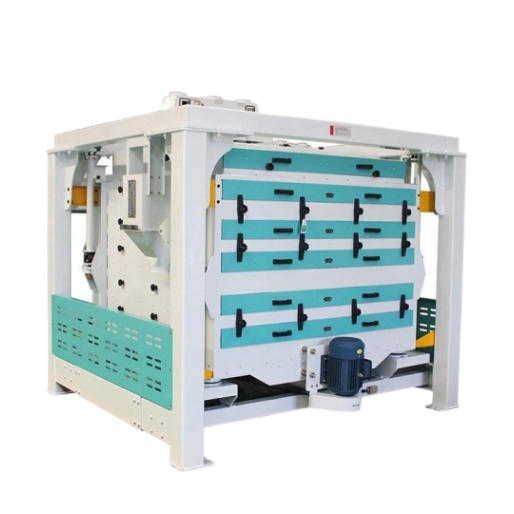
Every processing method manipulates raw materials differently. You must align these mechanical realities with your specific end-product requirements. Let us explore the three dominant methodologies.
Dry processing focuses on immediate physical volume reduction. It relies on blunt force, shear, and friction.
Mechanisms: This method utilizes hammermills, roller mills, and impact crushers. Hammermills shatter materials through high-speed impact. Roller mills crush kernels between massive corrugated cylinders.
Outcomes: It proves highly effective for bulk volume reduction. You achieve simple particle sizing rapidly. It serves as the standard for basic flour and poultry feed.
Pros/Cons: The distinct advantage lies in low moisture requirements. You enjoy lower energy costs compared to heating methods. However, the aggressive action can generate excess fines and dangerous combustible dust.
Wet processing separates the kernel into its core chemical components. It demands extensive infrastructure but yields highly purified outputs.
Mechanisms: Operators soak grains in massive steeping tanks for 24 to 48 hours. This softens the kernel prior to mechanical separation. Centrifuges and screens then extract starch, gluten, and germ.
Outcomes: This approach remains superior for high-purity extraction. It produces foundational ingredients like corn syrup, ethanol, and industrial starches.
Pros/Cons: You achieve unmatched extraction purity. Unfortunately, this method proves heavily water and energy-intensive. It strictly requires robust, expensive drying infrastructure to stabilize the final products.
Hydrothermal processing alters the chemical structure of starches through intense environmental changes.
Mechanisms: This process combines intense heat, added moisture, and severe mechanical pressure. Conditioners inject steam before pushing material through dies or extruders.
Outcomes: It stands as the ideal choice for livestock and aquaculture feed. The heat significantly improves starch digestibility. This directly improves feed conversion ratios for farmers.
Pros/Cons: You yield premium, highly digestible end-products. The major drawback involves massive capital investment. You must install specialized boilers, steam traps, and heavy-duty extruders.
Chart: Comparison of Core Processing Methods
Methodology | Primary Mechanism | Ideal Application | Energy Intensity |
|---|---|---|---|
Dry Processing | Impact & Compression | Basic Flour, Poultry Feed | Low |
Wet Processing | Soaking & Separation | Corn Syrup, Pure Starch | Very High |
Hydrothermal | Heat, Moisture, Pressure | Ruminant Feed, Pet Food | High |
Selecting machinery goes far beyond reading a basic spec sheet. Your facility needs robust integration and verifiable safety compliance. Evaluating Grain Processing Equipment requires a strict focus on four critical dimensions.
Your business will eventually need to grow. Equipment must integrate easily into existing conveyance and storage systems. Modular designs allow you to add capacity without requiring total facility overhauls. Look for machinery featuring standardized flanges and adjustable mounting frames. A scalable mill prevents you from ripping out functional infrastructure when demand spikes.
High-friction components take severe abuse daily. You must assess the realistic lifespan of screens, hammers, and corrugations on rollers. Cheap upfront machinery often hides massive replacement costs. Select suppliers offering hardened tungsten carbide hammers and abrasion-resistant steel. Always verify how quickly maintenance crews can access these wear parts. Fast screen changes keep your line moving.
You cannot compromise on facility safety. Dust explosions represent a catastrophic risk in dry milling environments.
Intrinsic Safety: Evaluate all machinery for intrinsic safety against combustible dust. You must ensure strict OSHA and ATEX compliance. Look for built-in explosion venting and spark detection systems.
Sanitary Design: Human food operations require specific sanitary standards. Ensure your equipment meets FDA and FSMA guidelines. Smooth welds, stainless steel contact points, and sloped surfaces prevent cross-contamination and bacterial growth.
Manual adjustments waste time and create inconsistent products. Modern operations rely heavily on integrated PLCs (Programmable Logic Controllers). Sensors monitor motor load, moisture levels, and bearing temperatures in real-time. Automated systems instantly adjust feed rates if a mill approaches a choking point. This drastically reduces your reliance on manual operator adjustments and protects your machinery.
Best Practice: Always tie your equipment sensors into a centralized dashboard. Real-time temperature monitoring on bearings prevents catastrophic fires before they start.
Even the best theoretical plan faces harsh realities on the factory floor. Implementation requires careful planning and rigorous site audits. You must anticipate constraints before you sign a purchase order.
Advanced methodologies demand serious electrical power. Upgrading to complex methods like extrusion can easily double your energy demands. High-horsepower motors require massive amperage during startup sequences. You must mandate a facility power-draw audit before implementation. If your local grid cannot support the spike, you face expensive transformer upgrades or constant breaker trips. Always evaluate soft-starters or Variable Frequency Drives (VFDs) to manage electrical loads.
Unplanned shutdowns destroy delivery schedules. You must analyze the risk of catastrophic failure versus planned maintenance. High-quality Grain Processing Equipment prioritizes accessible service points. Mechanics should never need to dismantle an entire machine to replace one bearing. Implement aggressive preventative maintenance schedules. Stocking critical spare parts onsite eliminates agonizing delays while waiting for international shipping.
Adding moisture creates incredible nutritional benefits, but it introduces severe biological risks. Highlighting the risk of spoilage and mold remains critical. If cooling and drying steps are inadequately sized following hydrothermal or wet processing, disaster follows. Pellets exiting a die reach extreme temperatures and hold excess water. You must cool them to within a few degrees of ambient temperature. Undersized counter-flow coolers allow warm, damp products into storage bins, guaranteeing rapid mold growth.
Choosing your methodology requires systematic logic. Do not let vendor marketing dictate your engineering decisions. Follow this rigid three-step framework to narrow down your optimal strategy.
Never buy equipment without defining exact product specifications first. Human food requires highly specific micron sizes for flour. Livestock feed demands a strict Pellet Durability Index (PDI) to prevent crumbling during transport. Map your target moisture content, starch gelatinization percentage, and bulk density. These precise metrics immediately eliminate incapable processing methods.
Match your desired methods against hard facility constraints. Wet milling requires massive water access and municipal discharge permits. Hydrothermal processing demands specific boiler capacities and high-pressure steam lines. Dry milling requires high-capacity electrical panels. Document your absolute utility limits before exploring heavy machinery options.
Vet equipment manufacturers mercilessly. Demand verifiable throughput data based on your specific material. Insist on absolute transparency regarding wear-part lifespans and maintenance schedules. The best vendors offer dedicated testing facilities. They should prove the concept by running pilot batches of your specific grain through their machinery.
Request comprehensive technical specification sheets from your top three vendors. Cross-reference their electrical requirements with your utility audit. Schedule a pilot test run to verify their claims. Only proceed to procurement when the physical test product meets your exact quality standards. Securing reliable grain processing capabilities requires patience and empirical proof.
Effectiveness is never a single, magical technology. It represents the optimal alignment of processing method, raw material, and end-market demands. You must carefully balance desired nutritional outcomes against hard utility constraints. Evaluate every step based on throughput, consistency, and energy efficiency.
We strongly warn against over-engineering your facility. Adding unnecessary complexity introduces new failure points and maintenance headaches. Choose robust, compliant equipment that directly supports your primary business objective. By aligning practical engineering with clear market goals, you guarantee a safe, profitable, and highly efficient operation.
A: Dry processing consumes the least energy. Grinding and rolling rely purely on mechanical force. They bypass the massive energy required to boil water, generate steam, or power heavy extruders used in hydrothermal and wet methods.
A: Steam flaking significantly improves feed efficiency compared to dry rolling. The hydrothermal heat and pressure gelatinize starches within the kernel. This chemical change drastically increases digestibility, improving the feed conversion ratio for ruminant animals.
A: Hidden costs primarily involve massive energy consumption spikes and frequent wear-part replacements. Facilities also underestimate the expensive infrastructure required to maintain strict dust mitigation and ATEX/OSHA compliance.
A: No. Mechanical limitations make combined setups highly impractical. Dry milling requires pristine, low-moisture environments to prevent clogging. Wet processing relies on heavy liquid saturation and stainless-steel separation tanks. Commercial efficiency requires strictly dedicated lines.


