E-Mail: commercial@golden-cereal.com Tel: +86-187-6172-1218
- All
- Product Name
- Product Keyword
- Product Model
- Product Summary
- Product Description
- Multi Field Search


Views: 0 Author: Site Editor Publish Time: 2026-07-08 Origin: Site


Transforming raw paddy into market-ready white rice is a highly precision-driven operation. Mechanical efficiency directly dictates profit margins in this competitive agricultural sector. You rely on mechanical consistency to meet global grain quality standards. Substandard equipment alignment or poor process flow quickly leads to high breakage rates. These broken grains cause excessive energy consumption during processing. They also severely reduce your Head Rice Yield (HRY). We aim to break down the standard five-step milling process clearly. This detailed guide helps operators and investors evaluate specific technical capabilities. You will learn exactly what to look for when selecting a commercial Rice Mill Machine. We will guide you in designing a highly efficient, full-scale processing line.
Yield Optimization: The right balance of abrasive and friction milling protects Head Rice Yield (HRY), the primary driver of commercial profitability.
Machine Synergy: A modern Rice Mill Machine setup relies on precise capacity-matching between husking, whitening, and grading modules to prevent operational bottlenecks.
Quality Control: Integration of advanced optical sorting and grading ensures compliance with strict export and retail quality standards.
Modern grain processing relies on exact scientific principles. You must control mechanical stress at every production stage. A robust understanding of yield dynamics separates profitable mills from struggling operations.
Head Rice Yield (HRY) measures the percentage of unbroken grains recovered from raw paddy. High HRY values indicate a highly efficient milling operation. Mechanical stress easily fractures the grain endosperm. This fracture generates lower-value broken rice. You lose significant revenue on every broken grain. Operators must carefully calibrate roller pressure and motor speeds. Proper calibration minimizes grain shear forces. Consistently high HRY ensures maximum profitability for commercial facilities.
Raw paddy arrives at the mill in varying conditions. Moisture contents fluctuate based on harvest seasons. Grain dimensions differ widely between varieties like long-grain Basmati and short-grain Japonica. Your equipment must adapt seamlessly to these diverse input conditions. Advanced processing lines use variable frequency drives. These drives allow operators to adjust feed rates dynamically. Accommodating natural paddy variability prevents unnecessary grain damage.
Choosing the correct system architecture is a vital operational decision. You must match equipment type to your expected daily throughput. Small-scale farms often benefit from compact solutions. Commercial exporters require highly specialized, separated stages.
System Architecture Comparison Chart | |||
System Type | Ideal Application | Footprint | Yield Quality Control |
|---|---|---|---|
Integrated Rice Mill Machine | Farm-level, low capacity (1-5 tons/day) | Extremely compact | Basic. Harder to adjust individual stages independently. |
Modular / Multi-Stage Setup | Commercial scale (50+ tons/day) | Large, multi-story facilities | Advanced. Granular control over husking, whitening, and grading. |
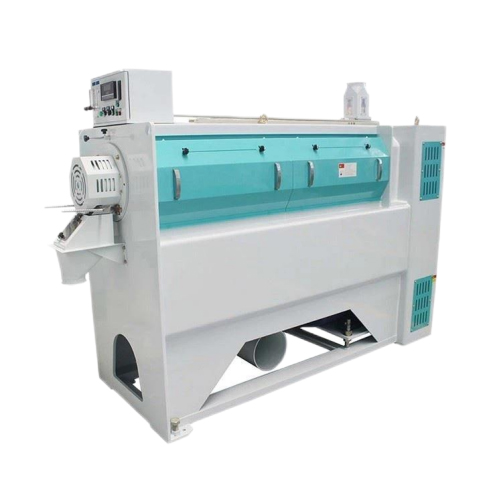
The initial processing stages protect downstream equipment. Effective cleaning removes hazardous impurities. Precision husking strips the outer shell without crushing the delicate grain inside.
Harvested paddy contains straw, stones, dust, and metallic debris. You must remove these foreign materials immediately. Vibratory screens filter out large impurities like straw and twine. Destoners utilize specific gravity differences to isolate heavy stones. Magnetic separators catch stray metal fragments.
When evaluating pre-cleaning units, operators should focus on specific performance criteria. Look for destoners featuring dual-screen configurations. These models offer superior separation accuracy. High-efficiency aspiration systems are also critical. They extract fine dust efficiently. Removing debris prevents severe damage to downstream rubber rollers.
Husking removes the tough outer husk from the paddy. Facilities typically use rubber roll huskers or pneumatic hullers. Rubber rolls spin at different speeds. They create a shearing action. This action strips the husk away gently.
Heat management dictates husker longevity. Excessive friction generates heat. High temperatures accelerate rubber wear rapidly. You should carefully assess the cooling mechanisms of rubber rollers. Evaluate the ability of the machine to maintain a consistent gap under continuous operation. A stable gap minimizes grain breakage.
Husking is rarely 100% efficient on the first pass. The output mixture contains brown rice, husks, and unhusked paddy. You must separate the unhusked paddy before whitening begins. Tray-type or compartment separators handle this critical intermediary step.
Aspiration: The system first blows away the lightweight husks using air currents.
Gravity Separation: The remaining mixture flows across an oscillating, indented tray.
Sorting: Brown rice moves up the incline due to its higher density. Unhusked paddy slides downward.
Recirculation: The unhusked paddy routes back into the husker for a second pass.
Whitening transforms brown rice into recognizable white rice. Polishing adds a commercial shine. These stages apply the highest mechanical friction. They require exact calibration to preserve grain integrity.
Whitening removes the bran layer. Mills achieve this transition using abrasive or friction whiteners. Abrasive whiteners use emery rollers to scrape the bran away. Friction whiteners push grains against each other and an iron cylinder.
Single-pass whitening represents a poor implementation reality. A single aggressive pass causes high breakage. It spikes grain temperatures dangerously. Best practices involve multi-pass whitening. You should use two or three gentle passes instead. Multi-pass configurations manage grain temperature effectively. They preserve the structural integrity of the rice.
Polishing removes residual bran dust. It gives the rice a glossy, commercial-grade finish. Most commercial lines use water-mist polishers. These polishers inject a fine mist of water into the milling chamber. Friction then smooths the grain surface.
You must examine the automated moisture control systems closely. Proper misting calibration is essential. Over-misting causes grain clumping. It encourages rapid bacterial growth. Under-misting leaves a dull, unattractive finish. A premium Rice Mill Machine utilizes highly responsive moisture sensors to guarantee a perfect finish.
Efficient mills capture valuable byproducts. Bran collection is highly lucrative. Sophisticated aspiration networks extract bran continuously from the whitening chambers. Cyclones collect this powder safely. You can sell high-quality bran to oil extraction facilities. Rice bran oil serves as an excellent secondary revenue stream. Effective byproduct handling improves overall plant sanitation.
Final product presentation dictates market value. You must remove broken grains and visual defects. Rigorous grading ensures your output meets exact buyer specifications.
Mechanical graders separate head rice from broken pieces. Plan-sifters use stacked screens to filter grains by thickness. Indented cylinders separate grains by length. The cylinder interior features small pockets. Short broken grains fall into these pockets. They are lifted out of the main flow. Long head rice remains at the bottom. This mechanical process creates uniform product batches.
Optical sorting serves as the final quality checkpoint. Color sorters remove discolored, chalky, or peck-damaged grains. They utilize high-speed RGB or multispectral cameras. Grains fall through a brightly illuminated chute. Cameras scan every single kernel. Compressed air ejectors blast defective grains out of the product stream instantly.
When selecting optical sorters, evaluate the following dimensions:
Rejection Accuracy: The system must minimize false rejects. Wasting good grain harms profitability.
Throughput Capacity: The sorter must process high volumes without dropping scanning resolution.
Software Adaptability: The AI algorithms should adapt easily for different rice varieties.
Ejector Reliability: Pneumatic valves must actuate millions of times without mechanical failure.
International buyers enforce strict quality standards. They mandate specific maximum allowances for broken grains and discoloration. Rigorous grading ensures the final product meets these stringent local and international packaging standards. Certified sorting guarantees custom clearance. It builds immense trust with global retail partners.
Designing a commercial plant demands strategic equipment selection. You must look beyond initial hardware specifications. Focus on system harmony, digital automation, and long-term mechanical reliability.
Every processing module must synchronize perfectly. You must ensure the throughput of the pre-cleaner matches the whitener and grader. A 10-ton-per-hour husker cannot feed a 5-ton-per-hour whitener. Mismatched capacities cause severe material backlogs. They force expensive machines into idle states. Proper capacity matching optimizes electrical usage. It maintains a smooth, continuous product flow.
Electricity consumption directly impacts operational margins. You should assess the power consumption per ton of milled rice. High-efficiency motors reduce energy waste significantly. Modern facilities rely heavily on PLC (Programmable Logic Controller) systems. PLCs provide centralized digital control. They monitor real-time yields constantly. The system flags machine faults instantly. Automated adjustments keep the milling environment stable without constant human intervention.
Continuous milling destroys weak components quickly. You need absolute confidence in your maintenance supply chain. Evaluate the availability of high-wear replacement parts. Screens, emery rolls, and rubber rollers require frequent replacement. Delays in sourcing parts halt production entirely. You should also scrutinize the vendor track record. Ensure they offer comprehensive installation, expert commissioning, and rigorous operator training. A well-trained operator prevents catastrophic equipment failures.
Successful businesses expand their operations eventually. You must avoid proprietary lock-ins. Closed ecosystems prevent you from upgrading individual components later. You might need to add an extra whitener as production demands scale. Standardized connections and open-architecture PLC systems allow modular upgrades. Choose a Rice Mill Machine platform that grows alongside your market share.
Gentle Processing Wins: A high-performing milling setup is not about aggressive processing. It is about gentle, controlled transitions between stages to maximize whole-grain yield.
Audit Your Input: You should rigorously audit your current paddy input quality before purchasing equipment. Match your machine capabilities to your regional crop characteristics.
Define Market Grades: Clearly define your target market grades. Domestic retail and international exports require vastly different grading tolerances.
Demand Guarantees: Always request concrete performance guarantees. Ask equipment manufacturers for specific yield and breakage metrics before finalizing any procurement contracts.
A: Integrated machines combine cleaning, husking, and milling in one compact frame. They are best suited for processing 1 to 2 tons per day. Modular setups separate each processing stage into dedicated, high-capacity units. They are essential for large-scale commercial operations.
A: Excessive pressure or high heat during whitening leads to severe thermal and mechanical stress. This stress cracks the grain endosperm. Multi-pass whitening spreads this friction out over several machines. This gentle approach manages temperature and preserves the HRY.
A: Yes. Modern equipment features adjustable feed rates, customizable screen sizes, and variable roller pressure. Operators can configure the machinery to accommodate different grain lengths, transitioning easily from long-grain Basmati to short-grain Japonica.
A: Rubber rollers typically need replacement after processing 150 to 300 tons of paddy. This lifespan depends heavily on the silica content of the husk and the machine's internal cooling efficiency. Predictable wear-part access is vital for continuous operation.


