E-Mail: commercial@golden-cereal.com Tel: +86-187-6172-1218
- All
- Product Name
- Product Keyword
- Product Model
- Product Summary
- Product Description
- Multi Field Search


Views: 0 Author: Site Editor Publish Time: 2026-07-20 Origin: Site


The initial stages of rice milling serve as a critical risk-management phase, far beyond a simple procedural step. Unfiltered raw paddy introduces stones, straw, and severe foreign matter. These harsh contaminants directly threaten the lifespan of sensitive downstream equipment. Skipping or under-investing in the pre-cleaning phase leads to compound inefficiencies across your entire facility. Processors face higher maintenance demands, deeply damaged emery rollers, and reduced final grain quality. Small stones and hidden debris cause sudden blockages, halting production flows and fracturing valuable kernels.
Evaluating the right cleaning and destoning equipment is fundamentally about protecting plant profitability. It also ensures strict compliance with global food safety standards. In the following sections, we will explore how specialized machinery isolates heavy and light impurities before they strike the main milling line. You will learn specific evaluation criteria to select robust setups designed for continuous, high-capacity commercial operations.
Processing raw, uncleaned paddy introduces severe financial and operational risks into a milling facility. When facility managers view pre-cleaning as an optional luxury rather than a mandatory safeguard, they expose their processing lines to rapid degradation. Agricultural harvesting inevitably gathers field debris. If you allow sand, metallic fragments, and stones to enter the primary milling stream, you create a cascading series of mechanical failures.
Abrasive materials act exactly like sandpaper against sensitive machine components. Sand and small stones accelerate the degradation of rubber rollers in the hulling section. They also severely chip whitening abrasives. Instead of performing optimally for weeks, expensive rubber rollers might require replacement within days. This forces operators to shut down the line, resulting in frequent, unplanned downtime. Every rice mill machine depends entirely on a pure, consistent feed to maintain its mechanical integrity.
Foreign materials also disrupt the continuous flow of the milling line, which directly reduces overall yield. Large impurities like straw and sticks create physical blockages in feed hoppers and chutes. When flow rates fluctuate, hullers apply uneven pressure to the grain. This uneven pressure dramatically increases the percentage of broken grains. Since broken rice sells at a steep discount compared to intact head rice, these physical blockages instantly erode profit margins.
Beyond mechanical wear, inadequate preparation introduces severe safety and compliance risks. Commercial rice grading enforces strict quality tolerances. International food safety standards tolerate zero physical contaminants in consumer packaging.
Common Mistake: Relying solely on manual sorting or outdated single-screen sifters to handle modern, high-volume agricultural intake.
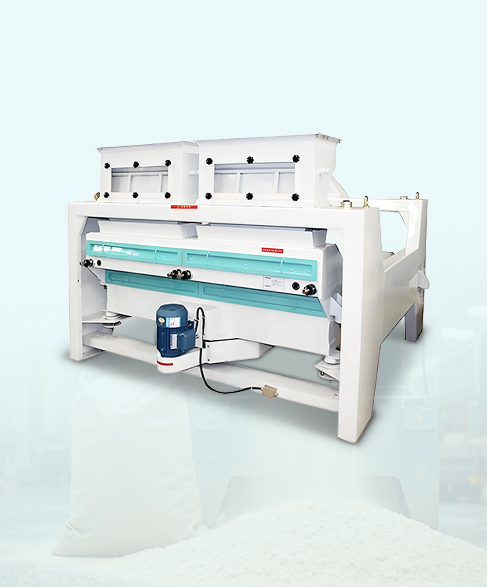
To neutralize the threats posed by raw field debris, modern facilities rely on engineered separation mechanics. A commercial paddy cleaning machine tackles these challenges through an aggressive, multi-stage filtration process. By leveraging differences in physical dimensions and aerodynamic properties, these units isolate good grain from harmful trash.
The system utilizes a multi-stage separation mechanism designed to catch impurities at different intervals:
The ultimate operational outcome of this comprehensive cleaning process is absolute stability. An optimized cleaner delivers a highly consistent, uniform feed rate directly to the hulling section. Hulling machines require a stable volume of grain to apply correct pressure. When the cleaner removes irregular debris and stabilizes the intake, it maximizes the plant's overall throughput and prevents sudden mechanical jamming. Operators spend less time clearing clogged hoppers and more time optimizing output.
While sieves perform exceptionally well at removing oversized sticks and undersized sand, they fail against one specific threat: stones. Many small stones, mud clods, and pieces of glass share the exact same physical dimensions as a paddy grain. Because they fit perfectly through the fine sieving screens, you need a different scientific approach to isolate them. This necessitates a dedicated rice destoner machine to complete the purification process.
Destoners operate on the scientific principle of specific gravity separation. Stones and clods may match the size of a grain, but they differ significantly in density. Destoners utilize a process called fluidization to stratify these materials. The machine combines precise mechanical vibration with a continuous updraft of air. This airflow lifts the lighter paddy grains, creating a fluid-like bed of floating material flowing downward toward the discharge spout.
Conversely, the heavier stones resist the air pressure. They sink through the floating grain bed and make direct contact with the textured, vibrating screen deck. The directional vibration pushes these heavy impurities upward, moving them against the flow of the grain and safely out through a separate rejection port.
Modern commercial facilities rely heavily on dual-deck designs. These units utilize two separate layers for secondary separation. If a few good grains accidentally travel upward with the stones on the primary deck, the secondary deck recaptures them. This secondary separation minimizes the accidental loss of good paddy, ensuring maximum yield retention.
Removing these heavy impurities represents a non-negotiable step for consumer safety. A single stone slipping into a retail package destroys end-product credibility. It risks consumer dental injury and invites severe legal liabilities. A high-performance destoner acts as the ultimate gatekeeper for your brand's reputation.
Upgrading your pre-cleaning section requires a rigorous decision framework. Facility managers must evaluate OEM vendors through an objective lens, looking far past initial sticker prices to focus on long-term operational endurance. Commercial environments demand equipment built for continuous scale.
Capacity matching sits at the very top of your evaluation checklist. The intake capacity of both the cleaner and the destoner must slightly exceed the processing capacity of the huller. If your huller processes five tons per hour, your cleaning section should confidently handle six tons. This surplus prevents the cleaning stage from becoming a bottleneck during moisture variations or high-impurity batches.
Next, assess vibration and structural integrity. Specific gravity separators generate intense, continuous vibration. You must verify the presence of heavy-duty carbon steel frames and expertly balanced eccentric weights. Flimsy construction leads to rapid structural fatigue, cracked welds, and catastrophic mechanical failures during 24/7 operations.
Maintenance accessibility directly dictates your operating uptime. Screen changing times must be minimal. Look for quick-release sieve boats that operators can swap in minutes, not hours. Additionally, self-cleaning mechanisms are mandatory. Systems utilizing bouncing rubber balls continuously strike the underside of the screens, preventing dust and damp sand from blinding the perforations.
Finally, examine motor and bearing reliability. Grain dust acts as a highly abrasive powder that easily penetrates standard motor housings. Demand enclosed, dust-proof motors meeting IP55 standards or higher. Abrasive mill environments quickly destroy unsealed bearings, causing friction fires and motor burnout.
Equipment Evaluation Standards
| Evaluation Metric | Minimum Commercial Requirement | Operational Impact |
|---|---|---|
| Structural Material | Heavy-duty Carbon Steel | Prevents weld fractures during continuous vibration cycles. |
| Motor Enclosure Rating | IP55 or higher | Blocks abrasive dust, preventing premature motor burnout. |
| Screen Cleaning | Integrated Bouncing Rubber Balls | Prevents screen blinding and maintains consistent throughput. |
| Capacity Rating | 110% to 120% of Huller Intake | Eliminates upstream bottlenecks and stabilizes feed rates. |
Selecting the right machinery represents only half the challenge; successful implementation requires meticulous facility-level planning. Shifting from machine specifications to actual rollout considerations often reveals hidden operational complexities. How you integrate these units determines their ultimate efficiency.
Aspiration and dust control integration demand immediate attention. Neither a cleaner nor a destoner operates effectively without properly calibrated cyclones and negative-pressure ducting. Many facilities make the mistake of hooking new equipment to an overloaded legacy dust collector. Poor airflow leads to immediate efficiency drops. Without sufficient updraft, dust remains in the grain, and the specific gravity deck fails to fluidize the paddy. You must engineer dedicated, precisely calculated air systems for these machines.
Footprint and layout constraints also dictate installation success. Facility managers must weigh gravity-fed staging against bucket elevator requirements. If building height permits, stacking equipment vertically utilizes gravity, which reduces power consumption and minimizes grain breakage. However, most existing processing lines require bucket elevators to transport grain between horizontal stations. You must calculate elevator pit depths and ensure transition chutes maintain a proper downward angle to prevent bridging.
Finally, calibration and operator training bridge the gap between installation and performance. Changes in paddy moisture, grain variety, and field origin drastically alter how material flows. Operators must frequently adjust deck angles, airflow dampers, and feed gates. Therefore, equipment must feature intuitive, repeatable adjustment controls. You cannot rely on guesswork. Thoroughly train your staff to recognize changing flow dynamics and adjust fluidization parameters proactively. A well-trained operator transforms a good machine into an exceptional yield-protection asset.
Investing in specialized cleaning and destoning technology serves as a direct investment in plant longevity and grain integrity. Protecting your delicate downstream equipment from abrasive debris prevents catastrophic downtime and protects your profit margins. Superior purification mechanisms guarantee that only clean, standardized paddy enters the hulling phase, elevating overall product quality.
When shortlisting vendors, always audit your current impurity levels closely. Request verifiable throughput data and reference installations from manufacturers before finalizing any purchasing decisions. Ensure the equipment matches your exact operational scale.
As a next step, encourage your facility managers to consult directly with experienced process engineers. Map out a customized pre-cleaning layout that perfectly aligns with your specific capacity goals and existing floor plan constraints.
A: Cleaners separate impurities based primarily on size and weight using screens and aspiration. They remove oversized straw and lightweight dust. Destoners separate exclusively by density and specific gravity. They remove heavy contaminants like stones and glass that are identically sized to the good grain.
A: Replacement schedules depend entirely on operating hours and material abrasiveness. Facilities processing highly abrasive, sandy paddy require more frequent changes. You must conduct regular visual inspections weekly, checking for severe wire wear, broken meshes, and permanent "blinding" where material clogs the holes.
A: Yes, manufacturers offer combined cleaner-destoner units designed specifically for small-scale or mobile mills. However, these combination units face severe limitations in high-capacity commercial plants. They generally offer smaller screen surface areas, leading to lower throughput and less precise separation at commercial scales.
A: This troubleshooting issue usually stems from incorrect deck angle settings, improper airflow calibration, or a clogged specific gravity screen. If the air pressure is too low, the paddy fails to fluidize and floats upward with the heavier stones. Check your dampers and clean the screen.


