E-Mail: commercial@golden-cereal.com Tel: +86-187-6172-1218
- All
- Product Name
- Product Keyword
- Product Model
- Product Summary
- Product Description
- Multi Field Search


Views: 0 Author: Site Editor Publish Time: 2026-07-28 Origin: Site


Margin compression plagues modern grain processing facilities globally. Surging energy costs render traditional milling operations completely unsustainable. Severe labor shortages further compound these daily operational challenges. Strict quality standards demand a level of precision impossible for manual operators. Plant managers face immense pressure to modernize or risk losing valuable market share rapidly.
Upgrading to a automatic rice mill plant represents a massive capital-intensive decision. Facility owners require verifiable returns on investment. You cannot rely on mere technological novelty to justify expense. This modern infrastructure must demonstrably solve your core production bottlenecks. Every newly integrated component must prove its financial worth through measurable operational improvements.
Transitioning from manual setups to systemic rice mill automation correlates directly to lower breakage rates. It optimizes facility power consumption fundamentally. Systemic upgrades guarantee a predictable daily throughput. We will explore how modernization protects yield, stabilizes operating expenses, and scales your production securely.
Yield Protection: Automated optical sorting and sensor-driven whitening significantly reduce broken grain percentages.
Predictable OpEx: Continuous processing limits power spikes and minimizes manual intervention errors.
Scalability: Modern PLCs (Programmable Logic Controllers) allow facilities to scale production volume without a proportional increase in headcount.
Risk Mitigation: Phased implementation and strict vendor SLAs are critical to avoiding costly operational downtime during upgrades.
Legacy systems hide massive operational costs beneath the surface. Inconsistent moisture control degrades final product quality consistently. Frequent mechanical jams halt production lines abruptly. When belts snap or motors overheat, your entire operation stops. Traditional setups rely heavily on specialized manual labor. These master millers are retiring rapidly across the industry. Finding skilled younger replacements proves increasingly difficult. This growing labor scarcity drives up daily operating costs significantly.
You must frame the initial investment against documented processing reductions. Capital expenditure seems daunting during initial planning stages. However, you must compare it directly to per-ton processing costs. Operating expenses drop sharply immediately after successful installation. Modern machinery uses electricity far more efficiently. Automated systems slash expensive overtime pay requirements entirely. The long-term financial trade-off strongly favors modernization.
Throughput consistency changes the financial equation completely. Continuous automated flow prevents frustrating bottlenecks entirely. Materials move seamlessly from de-stoning stages to hulling. They advance directly into the polishing stages smoothly. Manual handling between processing stages stops entirely. This continuous motion maximizes your daily capacity safely. Systemic harmony ensures machines rarely sit idle waiting for grain.
Operational Metric | Legacy Milling System | Automated Milling Plant |
|---|---|---|
Manual Labor Dependency | High (15+ operators per shift) | Low (2-3 console supervisors) |
Energy Consumption | Erratic power spikes causing utility penalties | Optimized and predictable kWh per ton |
Production Bottlenecks | Frequent manual transport delays | Continuous pneumatic flow integration |
Quality Assurance | Visual spot checks prone to human error | Inline AI optical sorting and sensors |
Common Mistake: Facility owners often underestimate the cost of utility penalties. Erratic motor startups in legacy systems trigger massive peak-demand energy charges. Automation sequences startups systematically to avoid these expensive utility spikes.
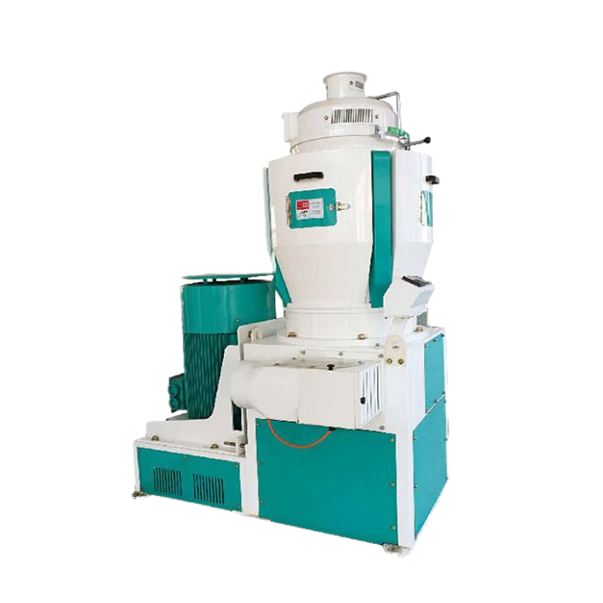
Automation protects your core product yield aggressively. Precision pneumatic systems govern de-husking operations flawlessly. A modern paddy husker applies highly consistent pressure dynamically. It utilizes real-time grain feedback mechanisms continually. This precision minimizes thermal stress on individual kernels. Lower physical stress significantly reduces broken grain percentages. Every intact grain improves your final profit margin directly.
The same logic applies during the intensive whitening phase. A sensor-regulated rice whitener adjusts milling friction continuously. It reacts instantly to natural variations in grain hardness. Operators avoid over-milling batches by trusting these automated adjustments. Precision whitening preserves the nutritional bran layers accurately when required.
Optical and color sorting act as the ultimate quality gate. Advanced AI-driven camera systems inspect individual grains meticulously. They utilize RGB and infrared spectrums to identify defects. They remove microscopic impurities and diseased grains accurately. This near-perfect accuracy directly impacts market grading results. Premium market grades command much higher retail prices globally. Sorting technology isolates chalky or discolored grains instantly.
Automated moisture and weight regulation ensure packaging perfection. Inline sensors evaluate drying parameters dynamically. They adjust heat settings before grain exits the dryer. Dynamic weight sensors calibrate packaging volumes constantly. You eliminate expensive product giveaway entirely. Accurate moisture levels prevent long-term storage spoilage. Dry grains resist fungal growth during international export shipping.
Best Practice: Recalibrate your inline moisture sensors monthly. Even advanced sensors drift slightly due to dust accumulation. Regular cleaning ensures your automated drying parameters remain perfectly accurate.
Evaluating vendors requires looking beyond basic equipment specifications. You must assess digital integration capabilities deeply. Individual machines must communicate via a centralized control panel. A high-capacity paddy separator needs to relay flow data upstream. It must also synchronize perfectly with a downstream rice polisher. This precise synchronization prevents downstream machines from running empty. SCADA architectures provide this critical interconnected visibility.
Energy efficiency metrics demand serious scrutiny during procurement. Demand specific power consumption data from your manufacturer. Ask for guaranteed kWh per ton metrics explicitly. Do not accept vague marketing claims regarding generalized energy savings. Real automation tracking software records power usage down to the minute. You need this data to project exact operational budgets.
Durability and parts availability determine long-term operational success. Assess the vendor supply chain for wear-and-tear components aggressively. A sophisticated plant becomes useless without readily available replacement parts.
Consider these critical replacement components during vendor evaluations:
Emery rolls required for heavy whitening friction.
Rubber rollers essential for gentle hulling processes.
Perforated sorting screens prone to rapid metal fatigue.
Sensor lenses needing scheduled recalibration or replacement.
Pneumatic valves governing automated airflow pressures.
Ensure local distributors stock these critical components continuously. Waiting weeks for international parts shipping ruins your seasonal profitability. Always request an inventory audit of your local distributor before purchasing.
Upgrading your facility introduces temporary but serious operational risks. Managing installation downtime effectively dictates your initial financial success. Assess complete overhauls versus phased rollout strategies carefully. Complete facility shutdowns prove financially prohibitive for many mid-sized operators. You cannot afford to halt revenue generation for months.
We recommend modular upgrades to maintain steady cash flow. Upgrade the pre-cleaning and hulling sections during one quarter. Tackle the advanced polishing and sorting sections later. This phased approach keeps partial production running smoothly. It also allows your staff to absorb new technologies incrementally.
Acknowledge the significant operator learning curve immediately. The shift from physical labor to technical oversight shocks many. Workers must learn to navigate complex PLC interfaces confidently. Vendor-provided training programs are absolutely necessary here. You cannot expect manual laborers to operate complex software instinctively. Hands-on simulator training reduces costly early-stage operational mistakes.
Maintenance protocols undergo a massive paradigm shift. Automated plants require strict predictive maintenance schedules. You move away from chaotic reactive fixes entirely.
Predictive Analysis: Vibration sensors alert you before a bearing fails.
Preventative Schedules: Daily optical lens cleanings protect sorting accuracy.
Data Logging: Software tracks the exact lifespan of emery rolls automatically.
Common Mistake: Neglecting IT infrastructure upgrades during mechanical installations. Modern milling equipment requires stable, high-speed networking to function correctly. Weak internal networks cause SCADA communication dropouts and unscheduled machine stops.
Structuring your procurement process prevents incredibly expensive missteps. Urge decision-makers to request highly specific pilot data. Ask vendors for verified case studies matching your exact capacity. Request physical test runs using your specific paddy variety. A heavy-duty rice grader performs differently on distinct grain lengths. Long-grain basmati requires different handling than short-grain varieties. Verifying yield improvement claims before final purchase remains critical.
Service Level Agreements form your ultimate operational safety net. Define the absolute non-negotiables in your vendor contracts clearly. Generalized warranties rarely cover the complex software issues you will face.
Ensure your final contract includes these protective clauses:
Guaranteed emergency onsite response times for critical mechanical failures.
Secure remote diagnostic capabilities for fast software troubleshooting.
Comprehensive digital update inclusions spanning several operating years.
Mandatory annual training refreshers for new facility operators.
Your actionable next step requires immediate internal data gathering. Conduct a comprehensive facility capacity audit this week. Determine your exact daily tonnage processing requirements accurately. Map out your peak seasonal production spikes clearly. You must present this exact data before requesting formal quotes. Precise baseline data guarantees vendors propose appropriately sized automation solutions.
Rice mill upgrading is never just an equipment purchase. It represents a fundamental strategic shift toward data-driven production. Modernizing your facility infrastructure secures your competitive edge globally. Manual operations simply cannot match the yield protection of advanced sensors. You must protect your margins against rising utility and labor costs.
The most successful transitions rely on clear operational key performance indicators. You must execute rigorous vendor vetting at every single stage. Protect your overall yield, stabilize your energy usage, and scale confidently. Do not let outdated machinery bottleneck your growth potential.
Take definitive action to modernize your facility today. Download a comprehensive plant readiness checklist to evaluate your current infrastructure. Request a detailed return-on-investment calculator to project your exact payback period. Schedule a technical consultation with a certified engineering specialist immediately to secure your future.
A: Payback periods typically range from 18 to 36 months. This timeline depends heavily on your daily processing capacity. Local energy rates and regional labor costs influence this metric significantly. Facilities running continuous 24/7 operations generally achieve faster financial returns. High-capacity processing offsets the initial capital expenditure rapidly through extreme efficiency.
A: Yes, but digital compatibility limits dictate the success rate. Modern SCADA systems can retrofit specific legacy machines using sensor additions. However, outdated mechanical drives usually require complete replacement. You must weigh the cost of custom retrofitting against buying new equipment. Sometimes replacing older units is cheaper than forcing complex software integrations.
A: Automation drastically lowers the percentage of broken grains. Sensor-regulated machines adjust milling friction and physical pressure dynamically. Real-time feedback prevents excessive thermal stress on the paddy kernels. Consistent, automated pneumatic pressure is far gentler than manual physical calibrations. This precise mechanical advantage preserves the structural integrity of every grain.
A: Daily operations require basic computer literacy and specialized vendor training. Operators learn to monitor digital dashboards and acknowledge system alerts. Complex systemic troubleshooting requires a higher level of technical engineering expertise. Vendors typically provide foundational Level 1 training for your daily staff. They handle deep software troubleshooting via secure remote diagnostic tools.


