E-Mail: commercial@golden-cereal.com Tel: +86-187-6172-1218
- All
- Product Name
- Product Keyword
- Product Model
- Product Summary
- Product Description
- Multi Field Search


Views: 0 Author: Site Editor Publish Time: 2026-07-26 Origin: Site


High broken rice rates directly erode profit margins across milling operations. Whole grains command significant market premiums, making every fractured kernel a lost financial opportunity. Raw paddy quality sets your initial production baseline. However, mechanical inefficiencies and outdated processing configurations primarily drive yield loss during daily production. Grain stress occurs easily if machinery runs out of balance.
We provide plant managers and mill owners a clear, evidence-based framework in this guide. You will learn how to audit processing lines and optimize crucial equipment settings step-by-step. We also explore evaluating machinery upgrades to structurally improve rice milling yield. Following these practical principles ensures your facility maximizes whole grain recovery and boosts overall profitability.
You cannot improve what you do not measure accurately. Mill managers must strictly define their success criteria using two essential metrics. Head Rice Yield (HRY) represents the percentage of intact, whole white grains recovered from rough paddy. Total Milling Yield (TMY) includes both whole grains and broken by-products. Evaluating the gap between HRY and TMY reveals your operational efficiency. A wide gap indicates severe mechanical stress during processing. Narrowing this gap directly increases your daily revenue.
The cost of operational inefficiency is substantial. Whole white rice consistently sells at premium market rates. Broken by-products sell at heavily discounted prices for brewing or animal feed. Calculate the revenue delta between these two outputs. Every percentage point shift from broken to whole grain multiplies your bottom line. You will quickly see how minor mechanical adjustments generate massive financial returns over a single harvest season.
Frame your equipment upgrades intelligently. They are not merely capital expenditures. Treat them as margin-recovery investments. Modern sorting and milling machinery pays for itself rapidly. These systems deliver reliable, percentage-point increases in whole grain recovery. Upgrading outdated lines stops daily revenue leaks. It protects the structural integrity of the grain.
| Metric Type | Definition | Market Value Impact | Optimization Goal |
|---|---|---|---|
| Head Rice Yield (HRY) | Percentage of unbroken, fully milled kernels. | Commands premium retail pricing. | Maximize output above 60% of total paddy. |
| Total Milling Yield (TMY) | Total milled rice (whole + broken). | Establishes baseline facility capacity. | Maintain steady throughput. |
| Revenue Delta | Price gap between HRY and broken rice. | Represents lost profit per ton processed. | Reduce mechanical breakage points. |
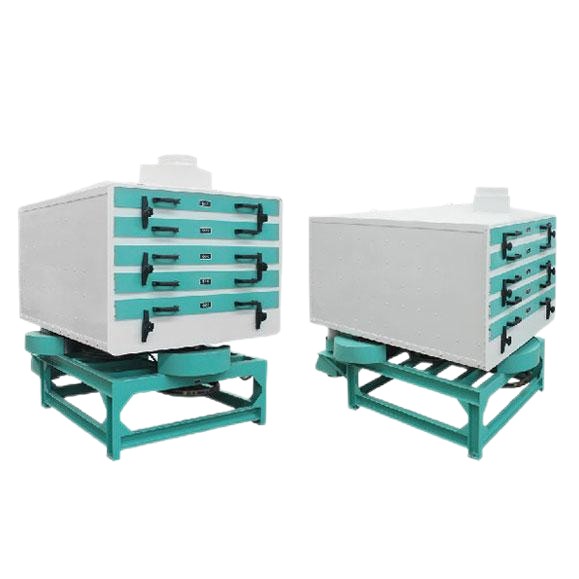
Mechanical solutions cannot fix biological or environmental damage. Your milling success depends heavily on the condition of the incoming raw material. You must address grain stress before the paddy ever touches a milling machine. Poorly handled paddy enters the line already compromised. Even perfect mechanical calibration will shatter fissured grains.
Moisture equilibrium dictates grain strength. Discuss the critical importance of drying paddy carefully. You need to hit an optimal moisture content between 13.5% and 14.5% before milling. This specific range prevents fissuring. Rapid moisture loss shrinks the outer kernel layer faster than the inner core. This differential creates microscopic cracks. Once these cracks form, subsequent mechanical pressure will break the grain immediately.
Tempering times are equally vital during the drying phase. Outline the necessity of adequate resting periods between active drying passes. You must allow internal grain stress to normalize. Heat application drives moisture from the core to the surface. Pausing the heat allows moisture gradients to level out safely. Skipping these tempering phases almost guarantees high breakage rates later on.
Input quality heavily influences the final output. Harvesting methods and initial cleaning impact the structural integrity of the grain entering the mill. Overly aggressive combine harvesting creates hidden fractures. Inadequate pre-cleaning leaves stones and debris in the mix. Foreign materials cause sudden, severe impacts inside your machinery. Strict quality control at the receiving dock protects your downstream yield.
A systematic audit identifies where physical damage occurs. You should isolate each processing stage and measure the breakage rate before and after the machine. This methodical approach stops guesswork and targets the actual source of revenue loss.
Modernizing your facility requires careful equipment selection. Upgrades must address specific pain points identified during your line audit. Look for technologies designed explicitly to handle grain gently while maintaining high throughput. Smart machinery reduces reliance on operator intuition.
Deploying advanced equipment introduces new operational variables. Management often assumes new machinery works perfectly upon installation. This assumption leads to initial yield drops. You must proactively manage the transition phase. Prepare your team for an adjustment period.
Calibration risks present the first major hurdle. New equipment often requires a period of trial-and-error. You must dial in settings for specific local grain varieties. Factory presets rarely match your exact regional paddy characteristics. Operators need time to understand how the new automated systems respond to varying moisture levels. Document every parameter change during this phase. This data becomes your baseline for future adjustments.
Training requirements cannot be ignored. Operator expertise is the limiting factor for any advanced machinery. A sophisticated mill run by untrained staff performs poorly. Detail the need for standard operating procedures (SOPs). These SOPs must cover daily maintenance tasks. Include strict protocols for screen cleaning and rubber roll replacement schedules. Regular training sessions build confidence. They teach operators to interpret sensor data correctly instead of relying purely on visual checks.
Maintenance schedules drive long-term success. Highlight preventive maintenance as a strict necessity. Replacing worn abrasive wheels and screens before they fail is a non-negotiable requirement. Sustaining high yields demands perfect mechanical surfaces. If you wait for a screen to tear or a bearing to seize, you have already lost valuable whole rice. Establish a rigid maintenance calendar. Stock critical spare parts locally to minimize costly downtime.
To fundamentally improve rice milling yield, facilities must transition from reactive troubleshooting to proactive process control. This evolution starts from precise moisture management and extends through to precision grading. Relying on outdated methods leaves significant revenue on the table.
Take the following actionable steps:
A: Achieving peak milling recovery requires strict pre-milling moisture control. The ideal moisture content is typically stabilized between 13.5% and 14.5%. Maintaining this level prevents fissuring. Rapid moisture desorption causes the grain to crack internally. Once cracked, the mechanical pressure of the milling process will easily shatter it.
A: Replacement depends on the volume processed and visual inspection. You must monitor the roll surfaces daily. Worn or grooved rolls apply uneven pressure, directly causing grain cracking. Replace them immediately once they lose their uniform cylindrical shape. This proactive replacement prevents massive downstream breakage.
A: Yes, in terms of quality. While multi-pass systems have a higher initial capital cost, they offer a proven return on investment. A multi-pass setup distributes mechanical and thermal stress across several stages. This gentle progression significantly reduces grain breakage compared to the aggressive pressure of a single-pass machine.
A: Yes. While graders do not physically prevent grain breaks from happening earlier in the line, they ensure highly accurate separation. This precision prevents valuable whole grains from slipping into the broken pile. Capturing every whole kernel ensures you never sell premium product at discounted broken-grain prices.


